Category: KRDA

  • Choosing A Post-Military Home And Career

    Choosing A Post-Military Home And Career

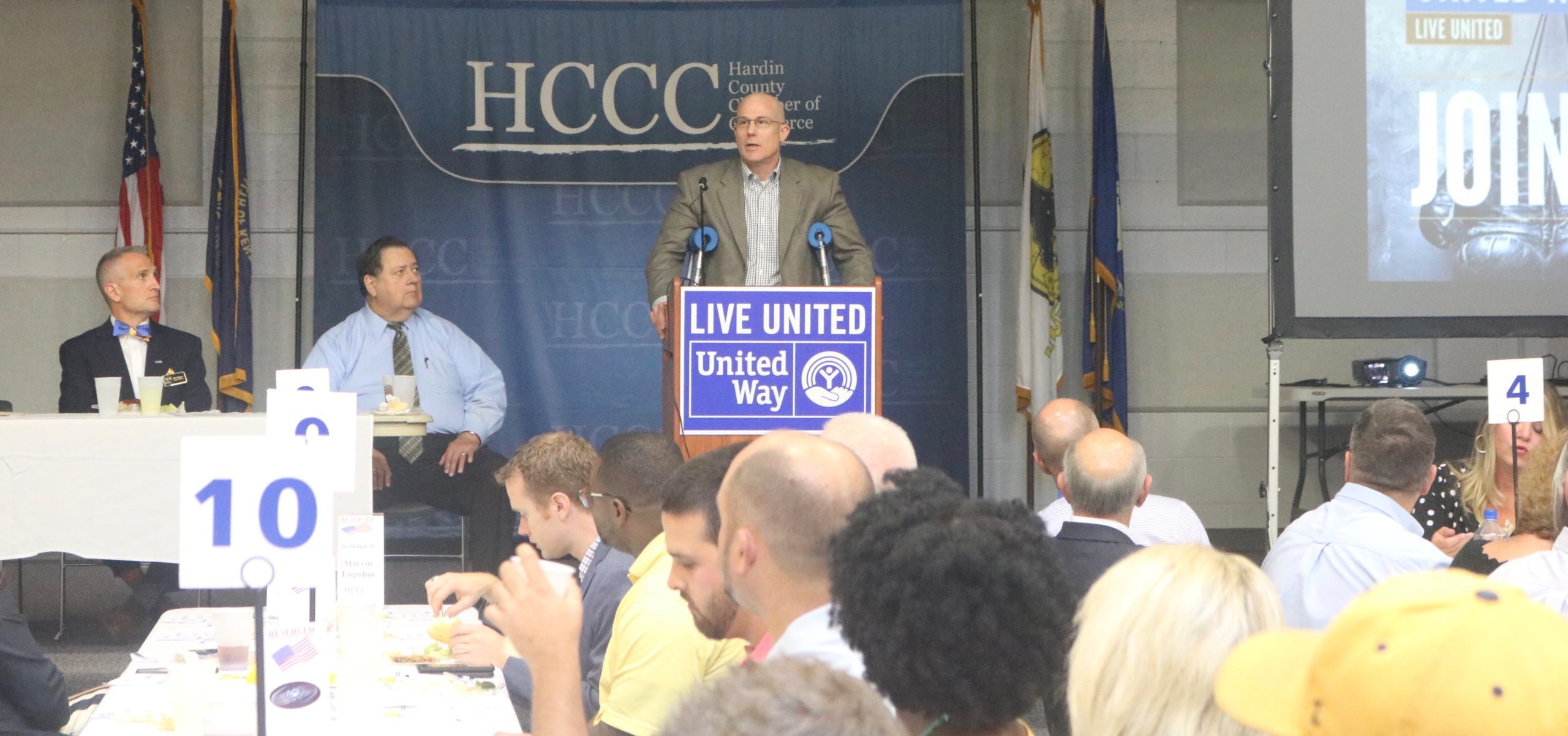
    Retired Brig. Gen. Jim Iacocca, now in the role of President and CEO of the Knox Regional Development Alliance, speaking to the business community.

    There is no question that making the transition from military to civilian employment can be challenging. I’ve been through it personally and in my role as CEO of the Knox Regional Development Alliance, we regularly collaborate with agencies and organizations working to better connect employers with veterans and transitioning service members. While most employers seem eager and willing to hire veterans, the challenge of making that connection persists. As one friend put it, part of the problem is there are so many resources that you are simultaneously drowning and dying of thirst. So, three years post-retirement, here are four key pieces of advice I typically offer others:

    • Have a plan and start as early as you can
    • Determine what’s important to you
    • Yes, the job matters but place matters too
    • Expect it to be stressful


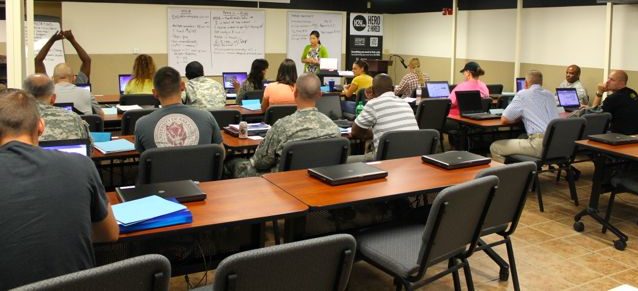
    Soldier For Life Transition Assistance Program (SFL-TAP) class.

    Have a plan and start early

    The Army provides transition assistance to Soldiers up to 24 months from retirement and 18 months from separation. I know that seems like a long time, but no matter your branch of service, I would recommend you use every bit of time allowed to prepare for your transition. As I mentioned, there are so many options and resources available that without a long lead time it can be an overwhelming endeavor. Use the resources the military provides, develop a plan and take it on in bite sized pieces. Build a calendar to keep yourself on track and stick to it. That includes getting your VA physical and submitting VA paperwork before you leave the service.

    Determine what’s important to you

    There is no doubt you want to be able to provide for your family like you always have, but sometimes chasing a high-paying salary comes at a cost. I often tell friends to think about how important it is to be fulfilled in your work and how much you value quality of life. While not mutually exclusive, a high-paying job sometimes comes at the expense of your quality of life and the time you have with your family. Be sure to know what’s important to you and weigh the pros and cons as you entertain new employment opportunities. That leads me to my next piece of advice.

    Yes, the job matters but place matters too

    What do I mean by that? Well, I’ve lived in 14 different duty stations, but I’ve never lived in a more welcoming and supportive community than the Greater Fort Knox Region. The connection between the post and the community is so close it’s hard to put it into words. That was important to my wife and me. It was also a matter of dollars and cents. This is a place where our dollar goes further, and there is still great quality of place. That needs to go into your planning, too. Prepare a budget that includes cost of living expenses based on where you want to live and know how much you need to make to maintain the lifestyle you have or want.

    Expect it to be stressful

    Let me close by saying that no matter how much you plan as you prepare to transition and after you leave the military; it is a stressful time not only for you, but also for your family. Your routine may be changing, but be sure to respect your family’s likely long-established way of doing things. Acknowledge that you are all going from the familiar to the unfamiliar, and that’s stressful no matter how prepared you are. I’m blessed to be doing work I believe in for a community and an installation for which I have a great affinity. I hope my words of advice in some small way can help you and your family navigate this next phase of your life.

    Related Content: Workforce Development Vital to Economic Growth
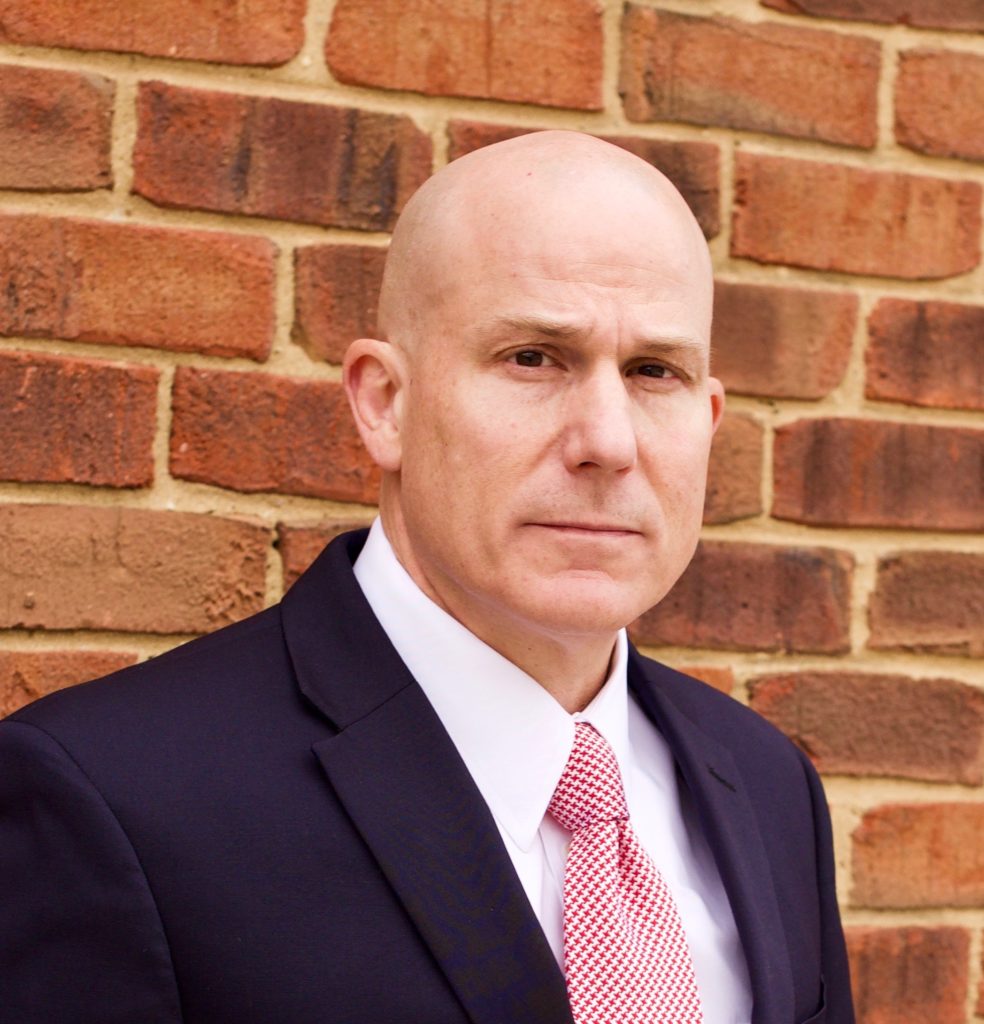
    Brig. Gen. (Ret) Jim Iacocca 
    President / CEO
    Knox Regional Development Alliance


  • KRDA Hosts Annual Meeting

    KRDA Hosts Annual Meeting

    Thank you to everyone who attended the virtual annual meeting.

    Fort Knox Update

    Maj. Gen. John Evans shared an update on Fort Knox. With the activation of V Corps in October, the community’s support was evident in welcoming over 1,650 Soldiers and family members. Evans touted that V Corps activation speaks to Fort Knox’s value. 

    The Commanding General of the U.S. Army Cadet Command and Fort Knox also highlighted three additional assessment programs, Battalion Command Assessment Program (BCAP), Cornel Command Assessment Program (CCAP) and Sergeant Major Assessment Program (SMAP), held at Fort Knox in 2020 bringing hundreds of leaders to the region. According to Evans, Fort Knox will remain on the shortlist when it comes to discussions on standing up missions on an Army installation. 

    In 2020, Cadet Summer Training (CST), the Army’s single largest training event, did not take place solely on Fort Knox due to the pandemic. Evans announced that CST will be back at Fort Knox this summer, safely bringing over seven thousand cadets to the region. 

    Evan also gave an update on the construction of Yano Range. Once complete it will be the only Digital Air/Ground Integration Range east of the Rockies. Evans mentioned units are already wanting to sign up for training once the new range is complete in the summer of 2023. 

    KRDA Report 

    During the annual meeting, KRDA Chairman Ray Springsteen and President and CEO Brig. Gen. (Ret) Jim Iacocca highlighted KRDA’s work to promote and protect Fort Knox and grow defense-related business in the region. Despite COVID-19, our region realized new missions on post, local defense contractor job creation and Fort Knox’s growing strategic value. 

    With a $2.6 billion annual economic impact, Fort Knox’s importance to our regional economy can’t be overstated. KRDA’s work to increase Fort Knox’s economic impact is only possible thanks to support of a generous community.

    Download KRDA 2020 Annual Report

  • Workforce Development Vital To Economic Growth

    Workforce Development Vital To Economic Growth

    With an annual economic impact of $2.6 billion, Fort Knox fuels our regional economy. The Knox Regional Development Alliance’s (KRDA) mission is to promote and protect Fort Knox to maximize its economic impact. We make sure the community is as supportive as possible to Soldiers, their families and all who work on and off post in support of Fort Knox missions, and that includes focusing on workforce development. Here’s why:

    • In order to grow Fort Knox missions or defense-related business, we must have the available workforce to fill Army civilian and contractor positions.
    • An Army spouse’s ability to find employment impacts the Army family and that in turn impacts Army readiness.
    • Employers often covet veteran talent but struggle to easily connect with them.

    Workforce development: focuses on activities, policies and programs that help create, sustain and retain a viable workforce.

    While I was in Army Human Resource Management for nearly all of my 30 years of service, I was admittedly unaware of the vast ecosystem of workforce development professionals and volunteers who are critical to a community’s economic success. That’s where KRDA’s vice president, Beth Avey, lends her expertise. As a former small business owner, she is plugged into the workforce development community and knows how to maximize partnerships for Fort Knox’s benefit. Two great examples are the Greater Knox Coding Academy and our region’s new military spouse employment initiative.

    Greater Knox Coding Academy

    In early 2019, I met with leaders at the Pentagon to talk about potential opportunities for Fort Knox. From their vantage point, we had a workforce challenge when it came to information technology (IT) professionals that could make us less competitive for new missions. Further conversations with Fort Knox leaders and area defense contractors confirmed it was difficult to locally source certified IT professionals.

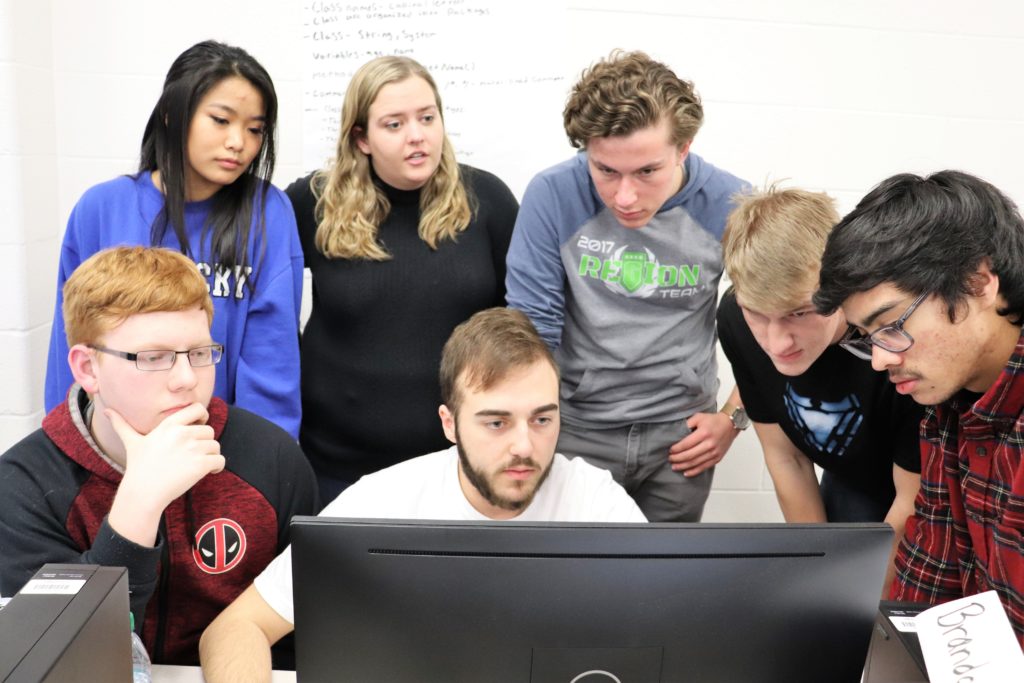
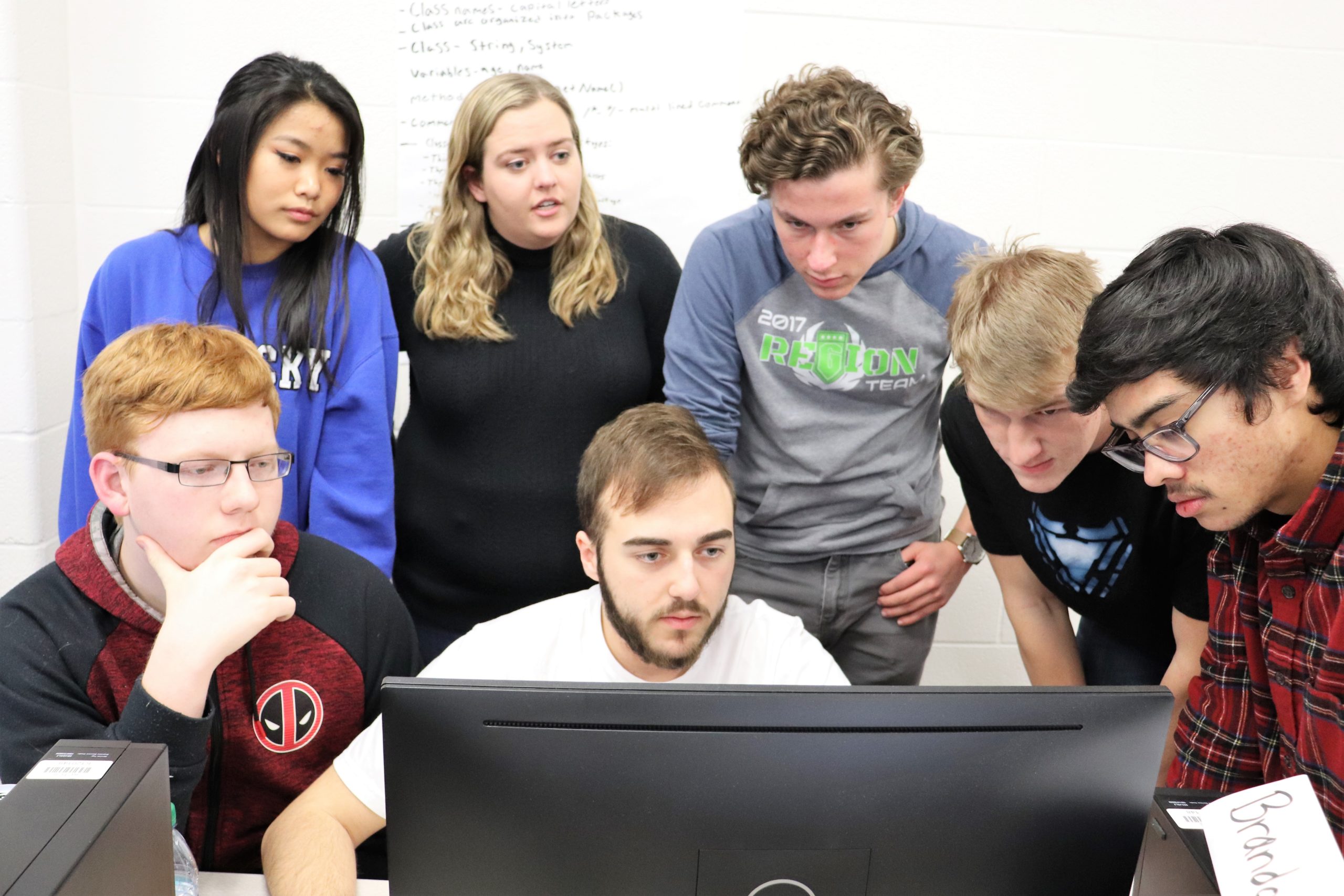
    We started working with a local training provider, Elizabethtown Community and Technical College (ECTC), and defense contractors to come up with a solution. In less than seven months the college identified the need for certified java developers, developed the curriculum, found an instructor, secured funding and recruited a class of students including several from area high schools. In spite of the pandemic, 24 students graduated from the inaugural Greater Knox Coding Academy. Many have moved into high-paying IT jobs with area defense contractors.

    Taking Spouse Employment Support To A New Level

    With the February 2020 announcement that Fort Knox would be home to the Army’s new corps headquarters, V Corps, we realized there would be a surge of Army families moving to our community. We knew there were great agencies on and off post available to help spouses find employment, but this larger influx of families gave us the opportunity to take a deeper dive and ask how can we do more.

    On post, we met with Fort Knox Army Community Service, garrison leadership and Army Human Resources Command. Off post, we met with the local workforce board director who oversees the U.S. Department of Labor funded programs and sought the advice and insight of local business leaders. In the end, these meetings led to a more fully integrated and streamlined process between the post and the community to include a virtual destination (greaterfortknox.com/jobs) that would allow military spouses to connect with resources even before they arrived. Additionally, military spouses will be matched with a community leader who volunteers to help them grow their professional network in the region. We’re pleased to report spouses are already taking advantage of this first-of-its-kind model.

    “We always are looking for new and innovative ways to tap into community resources and think this new model could become an Army best practice. We are fortunate to have great community partners who want to help us do the very best we can for our Army families.”
    – Melinda Roberts, Fort Knox’s Chief of Army Community Services

    Veteran Employment

    While not directly in our wheelhouse, I would be remiss if I didn’t mention that we are also in regular conversations with the various agencies and companies who offer employment services and training opportunities for transitioning service members, hundreds of whom exit the Army at Fort Knox. Anything we can do to advance efforts for veterans to find employment and employers to hire veteran talent is definitely a win-win for our region and it connects back to our work to support Soldiers and their families.

    Partnerships Are Key

    None of this work would be possible without great partners. Not only are these workforce and education professionals experts in their fields, but they are also as passionate as we are about supporting Fort Knox and making our community stronger. I recommend tapping into the workforce development ecosystem. You will be better for it.

    Brig. Gen. (Ret) Jim Iacocca 
    President / CEO
    Knox Regional Development Alliance


  • New Support Available for Military Spouses Seeking Employment in the Greater Knox Region

    New Support Available for Military Spouses Seeking Employment in the Greater Knox Region

    Beth Avey
    Brig. Gen. (Ret) Jim Iacocca

    Soldiers sacrifice much for their country, but often overlooked is the sacrifice their families also make in the process. As new assignments require Soldiers to relocate, military spouses have a hard time maintaining a stable career. A recent survey found that military spouses have an unemployment rate almost four times higher than the national average, with nearly 80 percent of those surveyed stating they believe their status as a military spouse has had a negative impact on their career. According to the Bureau of Labor Statistics, the majority of jobs are found through networking which puts relocated military spouses at a disadvantage as they seek employment compared to those with deeper roots in the community.

    Just this past fall, Secretary of Defense Mark Esper asked governors and communities to expand assistance to military spouses. The Greater Fort Knox Region is doing just that. The Knox Regional Development Alliance in partnership with the Kentucky Career Centers – Lincoln Trail (KCC-LT), the Lincoln Trail Workforce Development Board (LTWDB) and Fort Knox, is excited to announce a new model of support designed to expand assistance to current and incoming military spouses seeking employment in our communities. This comprehensive, first-of-its-kind program is designed to help military spouses find valuable employment while connecting them with a strong network of professional contacts. It is our belief that through this new program we will fill gaps in regional employment, boost local revenue and create a heightened sense of community for our military families. As 635 Soldiers and their families move to our region this fall with the activation of the Army’s new V Corps, it is our hope that this program will help make the transition easier for these military spouses and the countless others who call Fort Knox home.

    Current and incoming military spouses interested in the program can get started by visiting Greaterfortknox.com/jobs and answering a simple eight-question career survey outlining work history and career goals. That questionnaire is then forwarded to KCC-LT where participants will be matched with a professional career coach who is ready to evaluate their needs and begin providing no-cost employment support.

    Experienced career coaches will aid military spouses in a variety of ways, such as sharing job leads, assisting with resumes and cover letter writing and connecting individuals to job training and licensing courses. With four Career Center locations throughout the region, as well as an interactive website complete with online training videos, access to support is available no matter where in the area military families choose to settle.

    The final component of the new program addresses the importance of networking. In this step, military spouses will be matched with a volunteer community connector, who can help them build a professional network and expand their base of regional contacts. With this additional step, it is our hope that qualified military spouses new to the area will be given the same opportunities as those of us who are more established in our communities.

    The details of the new model have been shared with Army Human Resources Command officials who have agreed to include the resource on military orders for any new Soldiers stationed at Fort Knox. This means military spouses can benefit from the assistance program before they arrive. We believe early access to this support will make military families’ transition to our communities go more smoothly and get them excited to be a part of our vibrant and caring region.

    As we began drafting this model and reaching out to local citizens and organizations, we were met with an overwhelmingly positive response. When we contacted Cathy Doolin, Abound Credit Union, about pairing her up with a military spouse, her response exemplified this community. “I am so excited about this program and am looking forward to meeting with this lady, creating relationships and life long connections,” she said.

    In 2018 the Greater Fort Knox Region was named a Great American Defense Community by the Association of Defense Communities, and we continue to live up to that title. We are a community dedicated to supporting each other, as well as the wonderful individuals and their families stationed at Fort Knox. We hope our military spouse assistance program demonstrates our values to those arriving in the area, and that this model may eventually become a new normal for military communities across the country.

    Brig. Gen. (Ret) Jim Iacocca is the President and CEO and Beth Avey is the Vice President of the Knox Regional Development Alliance, a regional economic development agency committed to promoting and protecting Fort Knox. Brig. Gen. (Ret) Iacocca and Avey can be reached at jim@krdastg.wpenginepowered.com and beth@krdastg.wpenginepowered.com.

  • KRDA partnership offers job network for newcomers

    KRDA partnership offers job network for newcomers

    Source: The News-Enterprise

    The Knox Regional De­vel­op­ment Alliance has entered a part­ner­ship with the state’s regional employment office to help military spouses discover job opportunities.

    Described by KRDA as “a first-of-its-kind, comprehensive model in partnership,” the organization will be working with Kentucky Career Centers–Lincoln Trail along with the Lincoln Trail Workforce Development Board and Fort Knox.

    While the post frequently has arrivals and departures of staff, its currently experiencing an influx of families relocating as part of the Army’s decision to establish its new V Corps headquarters at Fort Knox. More than 2,000 newcomers are expected as soldiers and others arrive with their families.

    “Statistics say that upwards of 70 percent of job opportunities don’t come from a job board but rather from professional relationships that military spouses, being new to the community, typically don’t have,” KRDA CEO Jim Iacocca said. “We are tapping into our caring, supportive community to help our military spouses connect with organizations and people who may open the door to a new employment opportunity.”

    Through this job partnership, the Career Center will oversee a three-step process which begins with a short questionnaire. From there, information gathered helps match participants with an experienced KCC-LT professional who will help with job search and training at no cost.

    “Whether it’s training, career workshops or help finding employment, our career center team provides a one-stop-shop for any employment or training needs,” said Sherry Johnson of the Workforce Development Board, which oversees the KCC-LT. “Additionally, military spouses will be matched with a community connector who will help them grow their professional network, which can often open the door to new professional opportunities.”

    KRDA has been involved in recruitment of the volunteer community connectors who will provide this added support and personalized. Iacocca, a retired Army brigadier general, said the community response was enthusiastic.

    “As expected, the community response was immediate and overwhelming and we couldn’t be more grateful,” he said.

    Iacocca shared details of the model with Army Human Resources Command officials who agreed to include the resource on military orders of any soldier coming to Fort Knox.

    “This allows military spouses to access this support even before they arrive,” Iacocca said. “We appreciate HRC’s support as we work to be proactive in our support to military families.”

    Melinda Roberts, Fort Knox’s chief of Army Community Services, praised the community for partnering with Fort Knox ACS to develop this comprehensive model of support to help military spouses find employment.

    “We always are looking for new and innovative ways to tap into community resources and think this new model could become an Army best practice,” Roberts said in a statement. “We are fortunate to have great community partners who want to help us do the very best we can for our Army families.”

    Iacocca encouraged all military spouses looking for employment or training opportunities to go to greaterfortknox.com/jobs to learn more and tap into these resources.

  • KRDA partners with Kentucky Career Center, Fort Knox to assist military spouse

    KRDA partners with Kentucky Career Center, Fort Knox to assist military spouse

    New three-step process provides proactive career coaching, professional networking

    The Knox Regional Development Alliance (KRDA) announced today a new and innovative approach to supporting military spouses relocating to the Greater Knox region, as well as spouses who already are here and interested in finding employment.

    KRDA developed a first-of-its-kind, comprehensive model in partnership with the Kentucky Career Centers – Lincoln Trail (KCC-LT), the Lincoln Trail Workforce Development Board (LTWDB) and Fort Knox.

    KCC-LT will oversee the three-step process featured on the new Greater Fort Knox website greaterfortknox.com, which begins with a short questionnaire. From there, information gathered helps match participants with an experienced KCC-LT professional who will help with job search and training at no cost.

    “Whether it’s training, career workshops or help finding employment, our career center team provides a one-stop shop for any employment or training needs,” said LTWDB Sherry Johnson. The LTWDB oversees the KCC-LT.

    Additionally, military spouses will be matched with a community connector who will help them grow their professional network, which can often open the door to new professional opportunities. KRDA helped recruit the volunteer community connectors who are providing this added support.

    “Statistics say that upwards of 70 percent of job opportunities don’t come from a job board but rather from professional relationships that military spouses, being new to the community, typically don’t have,” said KRDA CEO Brig. Gen. Retired Jim Iacocca. “We are tapping into our caring, supportive community to help our military spouses connect with organizations and people who may open the door to a new employment opportunity. As expected, the community response was immediate and overwhelming and we couldn’t be more grateful.”

    Iacocca shared details of the model with Army Human Resources Command (HRC) officials who agreed to include the resource on military orders of any Soldier coming to Fort Knox.

    “This allows military spouses to access this support even before they arrive,” Iacocca said. “We appreciate HRC’s support as we work to be proactive in our support to military families.”

    Melinda Roberts, Fort Knox’s Chief of Army Community Services (ACS), praised the community for partnering with Fort Knox ACS to develop this comprehensive model of support to help military spouses find employment.

    “Providing employment support to our military spouses is a top priority from the Secretary of Defense to the Chief of Staff of the Army and, of course, right here at Fort Knox,” Roberts said. “We always are looking for new and innovative ways to tap into community resources and think this new model could become an Army best practice. We are fortunate to have great community partners who want to help us do the very best we can for our Army families.”

    LTWDB chairman, U.S. Navy veteran and state representative Dean Schamore said the Greater Fort Knox region has a proud tradition of supporting the military and their families.

    “In 2018, the Association of Defense Communities named the Fort Knox region a Great American Defense Community so it comes as no surprise to me that our community would set the bar high when it comes to supporting military spouses,” Schamore said. “You won’t find a more committed, patriotic and caring community.”

    Iacocca encouraged all military spouses looking for employment or training opportunities to visit greaterfortknox.com/jobs to learn more and tap into these resources.

    “Whether you are about to move here, have just moved here or have been stationed at Fort Knox for some time, the community wants to help.” Iacocca said.