

Category: The Region

  • 16 Years Post BRAC

    16 Years Post BRAC

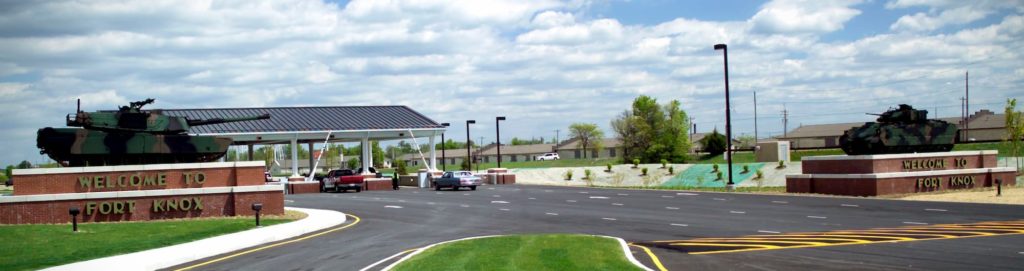
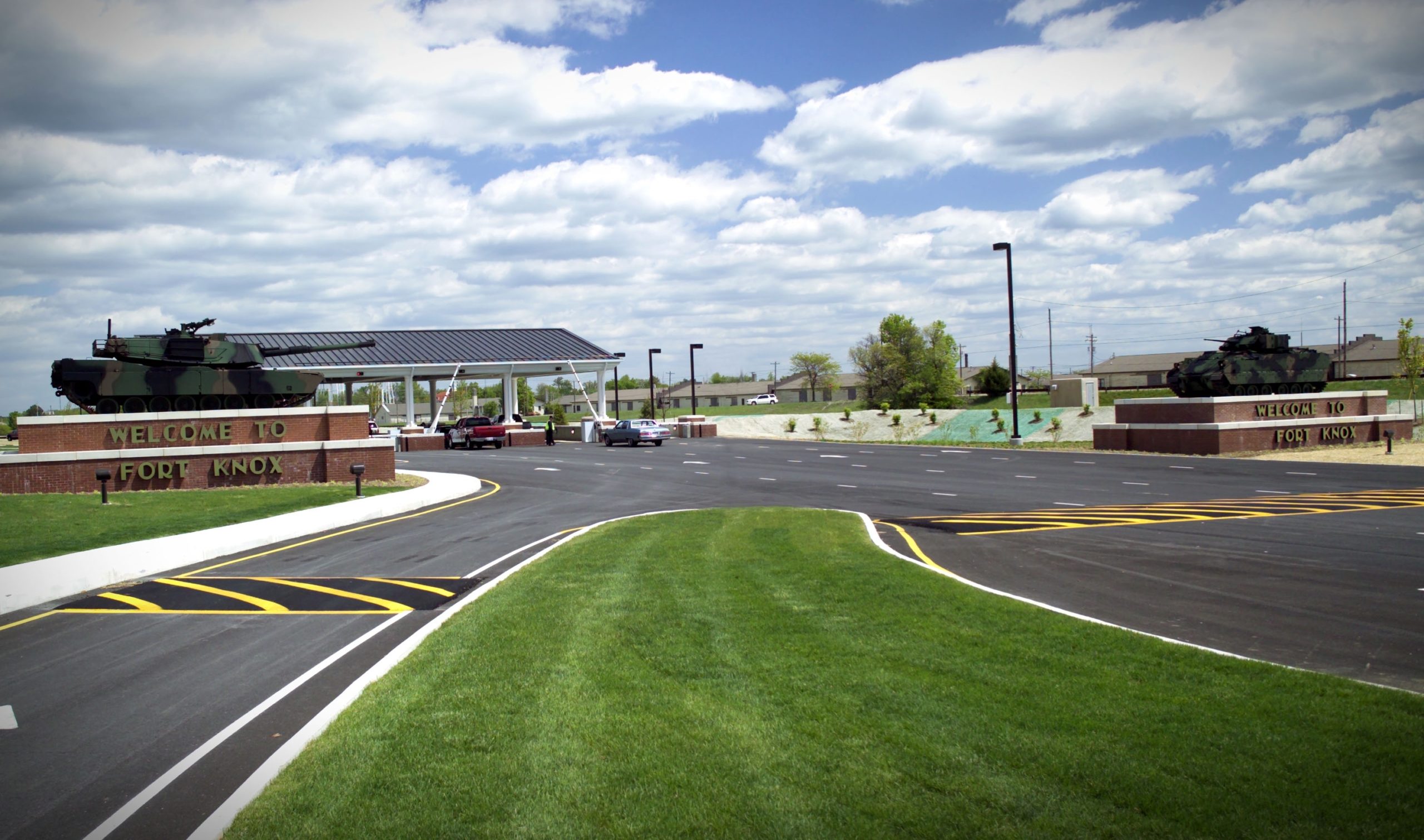
    On May 13, 2005, Secretary of Defense Donald Rumsfeld forwarded his recommendations to the Base Realignment and Closure (BRAC) Commission. Fort Knox was one of 26 installations impacted, resulting in a significant transformation of the post. Sixteen years later, we are reflecting on what BRAC 2005 meant for Fort Knox and the surrounding community as well as the changes on post since then. We are also taking stock in some of the lessons learned as a community and how Fort Knox and our region are positioned for the future.

    Farewell Armor, Hello Strategic Talent Management and More

    For decades Fort Knox had been synonymous with the Armor Center and School, where tankers learned and honed their skills. BRAC 2005 relocated the Armor schoolhouse to Fort Benning, GA. While that change was met with disappointment, we also welcomed several new missions associated with human capital management. U.S. Army Human Resources Command (HRC), U.S. Army Cadet Command and the now inactivated U.S. Army Accessions Command would join U.S. Army Recruiting Command at Fort Knox. The 2005 BRAC also called for a Brigade Combat Team (BCT) to be activated along with an Engineer Battalion, Expeditionary Sustainment Command and Army Reserve and Army National Guard missions.

    In all, BRAC 2005 equated to a net gain of some 5,000 military and civilian personnel as well as contractors. Perhaps even more significant was the shift from trainees who came here on temporary duty to permanent party personnel in more senior positions. That meant significantly higher payroll and spending power in the region and families who were more apt to settle in our communities long-term.

    Community Lessons Learned When Preparing for Growth

    A Unified Regional Approach Helps Secure Funding: In an effort to prepare for growth off post, community leaders in the Greater Fort Knox Region collaborated through an initiative called One Knox. The unified approach helped secure $251 million in state infrastructure investments for road construction as well as water and wastewater projects to support the anticipated residential and commercial growth.

    We realized greater support and funding by taking a single comprehensive request to the state vs multiple requests from individual municipalities.”
    –  Brad Richardson, One Knox Executive Director

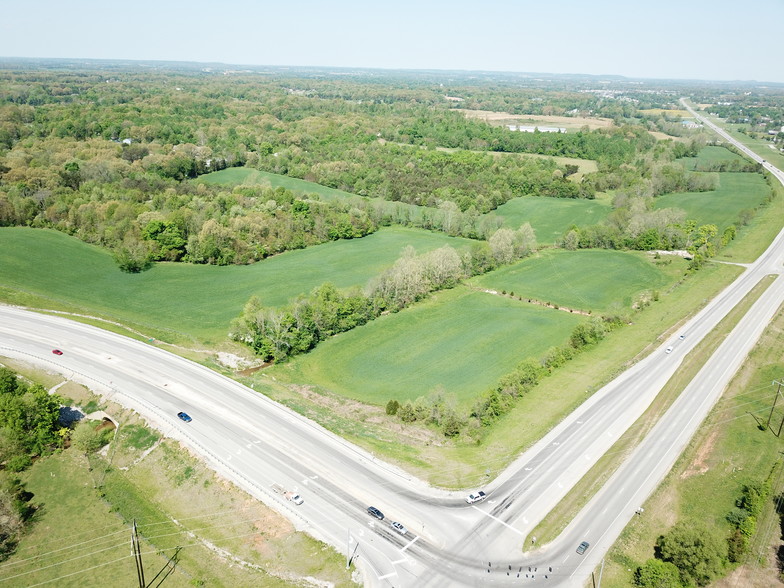
    Expanded and new road construction bypasses commercial districts in communities near Fort Knox

    Consider the Second and Third-Order Effects: While the infrastructure improvements were welcomed, the higher speed limited access roads also drew commuters away from some of the more heavily trafficked commercial corridors near Fort Knox. That was good for the commuters and overall safety, but not necessarily good for the businesses in those now less-trafficked commercial corridors. Local business leaders who point to those challenges still consider the infrastructure investments valuable and the 2005 BRAC positive. The lesson learned is it is also important to plan for the second and third-order effects to mitigate less favorable impacts.


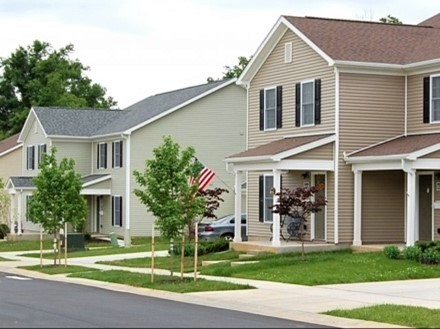
    Anticipated and Actual Housing Demand Do Not Always Match Up: Home builders will also tell a cautionary tale of BRAC 2005. At the encouragement of some military leaders, the anticipated growth spurred residential construction well ahead of the new units’ arrivals. Indications were that thousands of homeowners, moving from much higher priced markets, would be poised to buy larger homes. Then came the 2008 housing market crash which left many prospective buyers with far less spending power or unable to buy. Adding to the challenge were a disproportionate number of executive homes, leaving the local market oversaturated and some builders facing financial challenges. While no one could have predicted the housing market crisis, builders in the Greater Fort Knox Region will talk about the delicate balance of building based on anticipated growth to be ahead of the curve and having a firm demand signal from buyers based on actual market conditions.

    Mission Loss and Threat of More Spur Community Action

    In 2012, not long after all the BRAC moves were completed, the Army determined that the missions U.S. Army Accessions Command led could be realigned and decided to inactivate the unit. While, by population, it was a relatively small command, strategically it meant the post would no longer have a 3-star command. Even more disappointing was the 2014 inactivation of the Brigade Combat Team (BCT) resulting in a loss of 3,500 Soldiers at Fort Knox. The decision came amid changing national defense priorities and budget cuts. When the Department of Defense considered additional cuts (as many as 4,100 positions), the community rallied with a coordinated advocacy effort. The region held a community town hall with defense officials and undertook an electronic letter writing campaign that some say helped spare the post from additional cuts.

    The losses and the potential threat of more served as a wake-up call to community leaders who sought to raise the bar of the existing advocacy work for Fort Knox. In 2016, with support from private and public sector investors, the Knox Regional Development Alliance (KRDA) was born. Every day the KRDA team is singularly focused on maximizing Fort Knox’s economic impact and making sure the community does all it can to support Fort Knox Soldiers and their families. While we are very careful not to take credit for the recent growth on and off post, KRDA’s work helps set the conditions that make Fort Knox and our community as competitive as possible when opportunities arise.

    Fort Knox Today

    So, what does Fort Knox look like 16 years post BRAC 2005? The installation has certainly changed, but it is unequivocally critical to our nation’s defense.

    • The Army’s number one priority is its people and with its various missions, Fort Knox is at the veritable epicenter of strategic talent management.
    • The installation’s world-class training areas and ranges are among the most utilized in the Army and demand will only grow when construction of the new Digital Air Ground Integration Range (DAGIR) is complete in 2023, making it the Army’s only one east of the Mississippi.
    • The post’s energy resilience program is the most decorated in the Department of Defense and can, if need be, operate completely independent of external providers, making Fort Knox especially well-suited for missions with large IT infrastructure needs.
    • The recent decision to locate the Army’s newest corps headquarters – V Corps – at Fort Knox further adds to the post’s strategic value and is spurring additional defense sector growth off post as well.
    • Community quality of life and support to the installation is regularly touted as among the very best in the nation.


    At KRDA, it is an honor to tell the Fort Knox story each and every day. Want to learn more about Fort Knox or defense sector business opportunities in one of the greatest communities in the nation? Contact us.


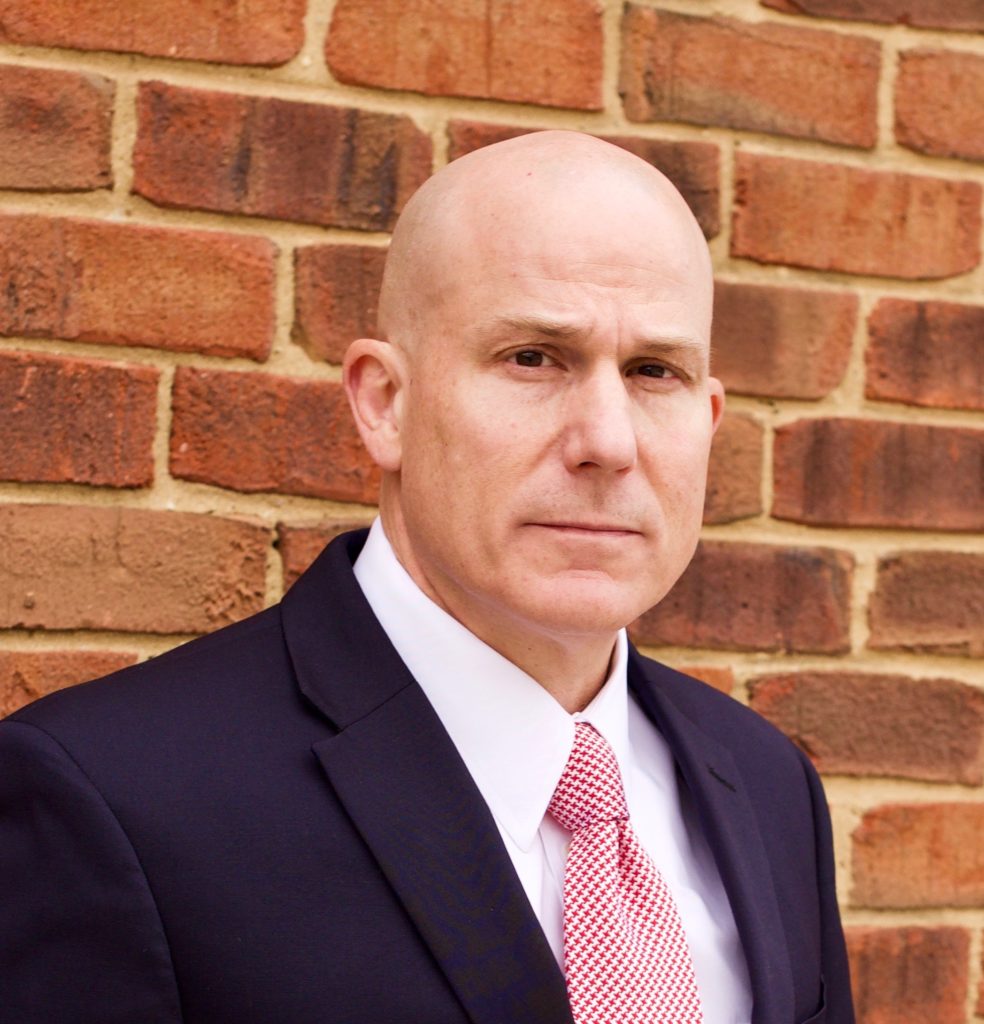
    Brig. Gen. (Ret) Jim Iacocca 
    President / CEO
    Knox Regional Development Alliance
    Jim@krdastg.wpenginepowered.com 
     

    Beth Avey 
    Vice President
    Knox Regional Development Alliance
    Beth@krdastg.wpenginepowered.com
     

  • Workforce Development Vital To Economic Growth

    Workforce Development Vital To Economic Growth

    With an annual economic impact of $2.6 billion, Fort Knox fuels our regional economy. The Knox Regional Development Alliance’s (KRDA) mission is to promote and protect Fort Knox to maximize its economic impact. We make sure the community is as supportive as possible to Soldiers, their families and all who work on and off post in support of Fort Knox missions, and that includes focusing on workforce development. Here’s why:

    • In order to grow Fort Knox missions or defense-related business, we must have the available workforce to fill Army civilian and contractor positions.
    • An Army spouse’s ability to find employment impacts the Army family and that in turn impacts Army readiness.
    • Employers often covet veteran talent but struggle to easily connect with them.

    Workforce development: focuses on activities, policies and programs that help create, sustain and retain a viable workforce.

    While I was in Army Human Resource Management for nearly all of my 30 years of service, I was admittedly unaware of the vast ecosystem of workforce development professionals and volunteers who are critical to a community’s economic success. That’s where KRDA’s vice president, Beth Avey, lends her expertise. As a former small business owner, she is plugged into the workforce development community and knows how to maximize partnerships for Fort Knox’s benefit. Two great examples are the Greater Knox Coding Academy and our region’s new military spouse employment initiative.

    Greater Knox Coding Academy

    In early 2019, I met with leaders at the Pentagon to talk about potential opportunities for Fort Knox. From their vantage point, we had a workforce challenge when it came to information technology (IT) professionals that could make us less competitive for new missions. Further conversations with Fort Knox leaders and area defense contractors confirmed it was difficult to locally source certified IT professionals.

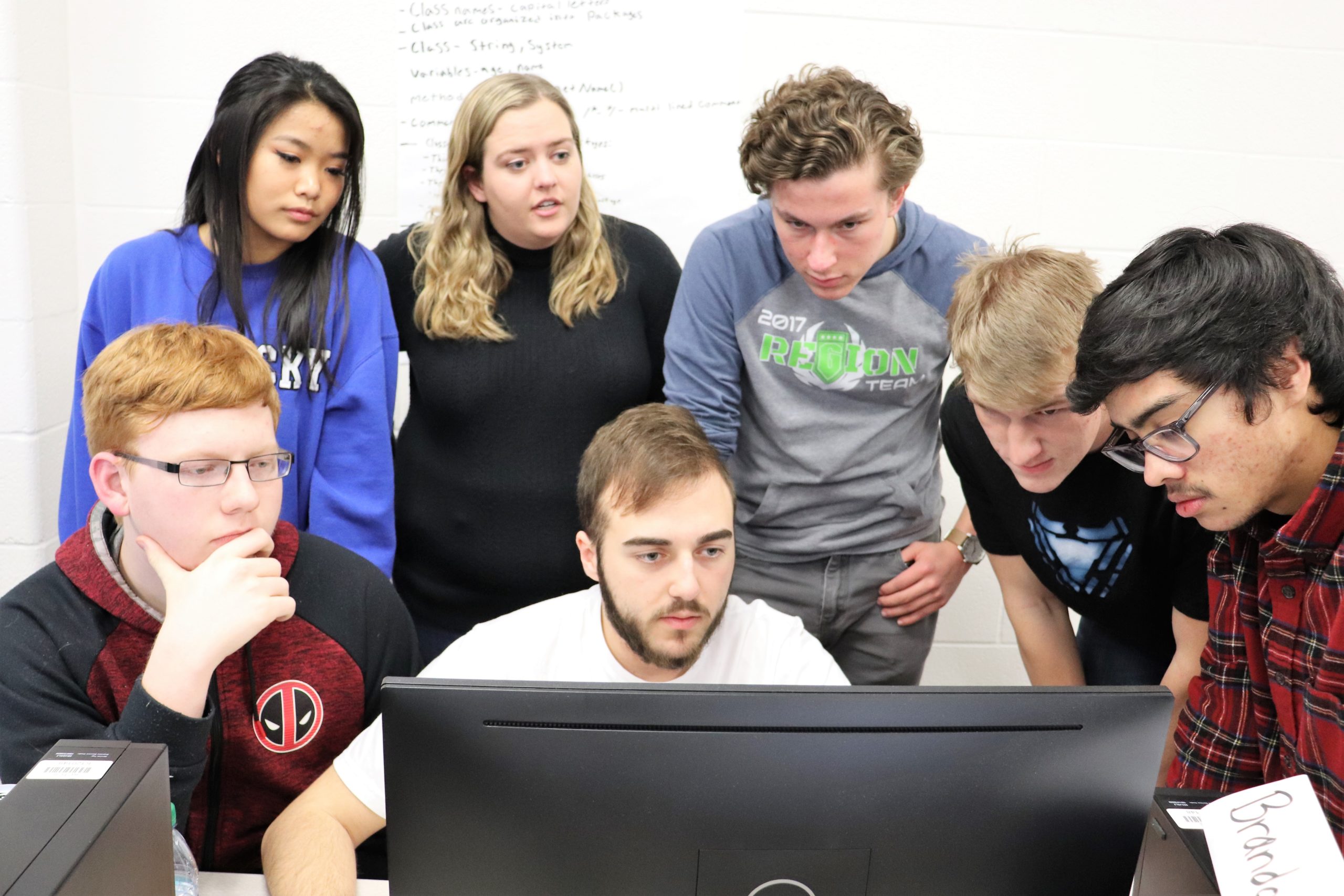
    We started working with a local training provider, Elizabethtown Community and Technical College (ECTC), and defense contractors to come up with a solution. In less than seven months the college identified the need for certified java developers, developed the curriculum, found an instructor, secured funding and recruited a class of students including several from area high schools. In spite of the pandemic, 24 students graduated from the inaugural Greater Knox Coding Academy. Many have moved into high-paying IT jobs with area defense contractors.

    Taking Spouse Employment Support To A New Level

    With the February 2020 announcement that Fort Knox would be home to the Army’s new corps headquarters, V Corps, we realized there would be a surge of Army families moving to our community. We knew there were great agencies on and off post available to help spouses find employment, but this larger influx of families gave us the opportunity to take a deeper dive and ask how can we do more.

    On post, we met with Fort Knox Army Community Service, garrison leadership and Army Human Resources Command. Off post, we met with the local workforce board director who oversees the U.S. Department of Labor funded programs and sought the advice and insight of local business leaders. In the end, these meetings led to a more fully integrated and streamlined process between the post and the community to include a virtual destination (greaterfortknox.com/jobs) that would allow military spouses to connect with resources even before they arrived. Additionally, military spouses will be matched with a community leader who volunteers to help them grow their professional network in the region. We’re pleased to report spouses are already taking advantage of this first-of-its-kind model.

    “We always are looking for new and innovative ways to tap into community resources and think this new model could become an Army best practice. We are fortunate to have great community partners who want to help us do the very best we can for our Army families.”
    – Melinda Roberts, Fort Knox’s Chief of Army Community Services

    Veteran Employment

    While not directly in our wheelhouse, I would be remiss if I didn’t mention that we are also in regular conversations with the various agencies and companies who offer employment services and training opportunities for transitioning service members, hundreds of whom exit the Army at Fort Knox. Anything we can do to advance efforts for veterans to find employment and employers to hire veteran talent is definitely a win-win for our region and it connects back to our work to support Soldiers and their families.

    Partnerships Are Key

    None of this work would be possible without great partners. Not only are these workforce and education professionals experts in their fields, but they are also as passionate as we are about supporting Fort Knox and making our community stronger. I recommend tapping into the workforce development ecosystem. You will be better for it.

    Brig. Gen. (Ret) Jim Iacocca 
    President / CEO
    Knox Regional Development Alliance


  • Radcliff Defense Contractor to Create 75+ New Jobs

    Radcliff Defense Contractor to Create 75+ New Jobs

    North South Consulting Group (NSCG) announced at least 75 new local jobs in conjunction with contracts the company recently won in support of missions at Fort Knox, adding nearly $4 million in annual payroll to the regional economy.

    Radcliff Mayor JJ Duvall called the announcement welcome news in these challenging economic times and further proof of the important role Fort Knox has in the resiliency of our regional economy.

    “We are proud of our home-grown defense contractor. North South Consulting Group is providing good-paying jobs and added spending power to a region that is fighting hard to weather this economic storm created by COVID-19,” said Duvall. “This is yet another example of the critical role Fort Knox has in our regional economy.”

    The contracts NSCG was awarded are in support of the Army’s recruiting and marketing efforts and include establishing a call center at the company’s headquarters in Radcliff. NSCG President and CEO Dr. Krista Stevens said that particular contract was previously supported out of Ohio, New Jersey and Texas.

    “Now when individuals call a toll-free number listed on Army recruiting and marketing materials, those calls are routed to a NSCG call center team member in Radcliff who provides the caller with information and determines whether or not they should be referred on in the recruitment process,” said Stevens.

    In addition to the call center operations, NSCG will staff Army Recruiting Command’s Virtual Recruiting Center on Fort Knox, engaging potential recruits and refining leads before they are referred to a recruiter at the local level. The virtual recruiting team also monitors the Army’s social media presence throughout the country and when appropriate responds to comments on the Army’s social media channels.

    Stevens, who established NSCG in 2012 and opened the company’s Radcliff headquarters in 2019 with her husband Chase, said she was thrilled to bring this work to the Greater Fort Knox Region. She touted the local workforce’s connection to Fort Knox missions that helped make NSCG especially competitive for the work.

    “Our community is full of talented people, many with direct experience in Army recruiting, making our support to the Army even stronger,” said Stevens. “We couldn’t be more excited to help support the Army and grow the local economy.”

    Stevens, herself an Army Veteran and former Army Civilian employee, said these contracts often require a large percentage of the workforce to be military Veterans and that NSCG prides itself on hiring Veterans and teaming with other Veteran-owned businesses.

    For these contracts, Stevens is teamed with Poly A & M, a woman owned business under the leadership of Janelle Lei Sam who, in October, opened her company headquarters in Radcliff, as well as Horizon Strategies which is under the leadership of retired U.S. Army Maj. Gen. Allen Batschelet and retired U.S. Army Col. Bill Harmon.

    As the former Commanding General of U.S. Army Recruiting Command, MG Batschelet expressed his enthusiasm for the opportunity to support the recruiting force he once led. “I’m grateful that Krista and the team at NSCG asked Horizon Strategies to join the contract team for these important services in support of Army recruiting,” said Batschelet. “I have a great fondness for Army Recruiting and the Fort Knox community. We look forward to bringing our firm’s expertise to bear on this critical work.”

    Both Stevens and Mayor Duvall also touted the support of the Knox Regional Development Alliance (KRDA) in this recent announcement and NSCG’s overall success.

    “General Iacocca was instrumental in helping Krista and her team locate here. It’s great to see the company grow and succeed because when they succeed our community succeeds,” said Duvall. “KRDA is an invaluable resource to our community.”

    Stevens echoed Duvall’s comments.

    “General Iacocca helped us find a location and even recommended who to talk to about furnishings. He provided us with advice and consultancy on how we could best demonstrate value. He helped us develop relationships on and off post. I cannot say enough about the role KRDA has played in our success,” said Stevens.

    When asked, KRDA CEO retired Brig. Gen. Jim Iacocca was quick to point to Stevens’ talented team and the supportive community.

    “The credit goes to Krista, the NSCG team and this incredibly supportive community,” said Iacocca. “KRDA is committed to helping defense contractors grow their business, make our regional economy stronger and most importantly support Fort Knox missions.”


  • Welcome Home V Corps

    Welcome Home V Corps

    Source: The News-Enterprise

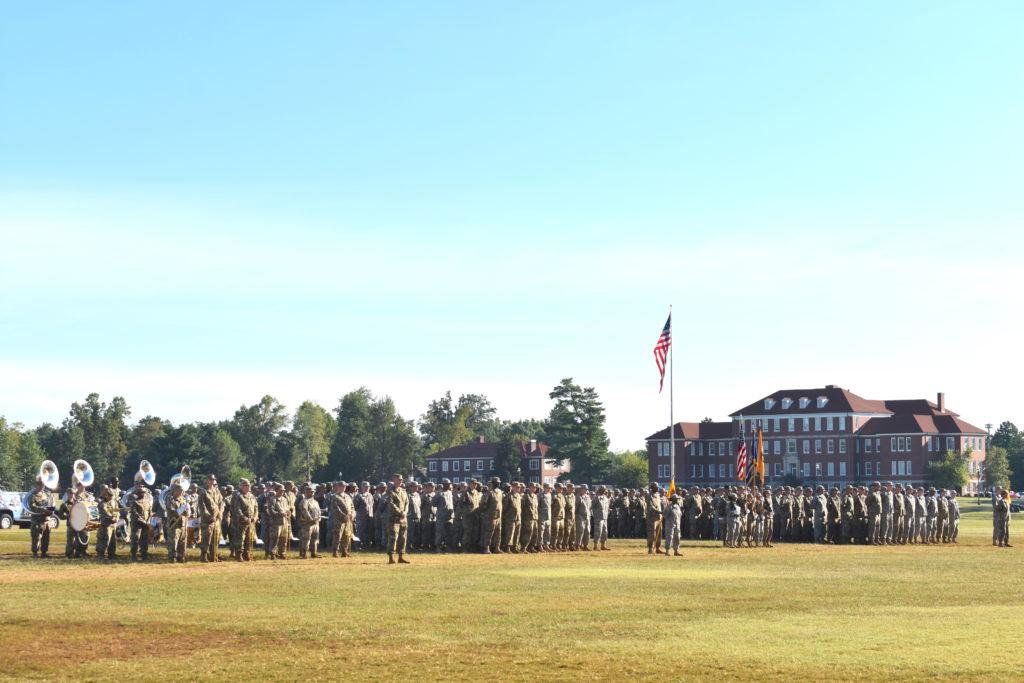
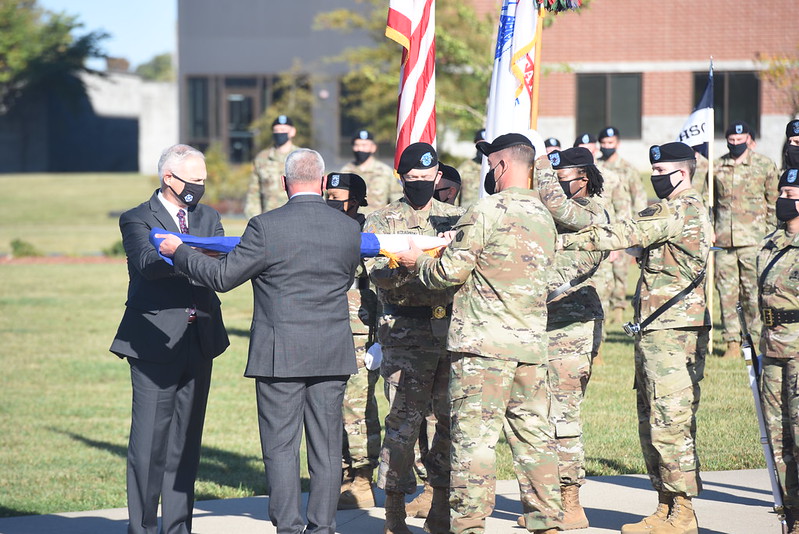
    Hundreds of soldiers were ceremoniously welcomed to Fort Knox Friday morning as the V Corps’ historic colors were once again flown. Originally deactivated in Wiesbaden, Germany in 2013, the senior-level command has been reactivated on Fort Knox and is housed in the Lt. Gen. Timothy J. Maude Complex.

    The reactivation provides the U.S. European Command and U.S. Army Europe with a three-star headquarters to “conduct operational planning, execute mission command over allocated and assigned forces and promote interoperability,” V Corps commanding general Lt. Gen. John Kolasheski said during Friday’s ceremony.

    Kolasheski said Friday’s ceremony had personal significance for him.

    “This is a bit surreal for me personally as almost 31 years to the day, I started my military career at Fort Knox as a young armor officer,” he said.

    The V Corps is made up of over 600 soldiers, a portion of which are expected to be stationed at the Forward Command Post in Poznan, Poland on a rotational basis.

    The V Corps initially was activated in 1918 and used during World War I to fight in France. The unit later fought in World War II during the D-Day invasion and liberation of Europe. Later, the unit defended western Europe during the Cold War, fought in Iraq and Afghanistan and was overall used to maintain multinational partnerships in Europe.

    U.S. Sen. Mitch McConnell also spoke during Friday’s ceremony. During his remarks, McConnell touted the efforts of the Knox Regional Development Alliance in helping to make the V Corps’ new home on Fort Knox a reality.

    “Through their dedication, Kentucky has earned a reputation as one of the most military-friendly states in our country,” he said.

    Gov. Andy Beshear was invited to the ceremony but could not attend because he currently is quarantined at home with his family after a member of his security detail tested positive for COVID-19. A statement from Beshear was read during the ceremony.

    Beshear estimated the V Corps will bring in approximately $58 million in new payroll along with $96 million in additional consumer expenditures.

    “Here in Kentucky, these soldiers and their families – as part of Team Kentucky – will have a very positive effect on the local community through their values, service and leadership,” a portion of Beshear’s statement read.

  • New Support Available for Military Spouses Seeking Employment in the Greater Knox Region

    New Support Available for Military Spouses Seeking Employment in the Greater Knox Region

    Beth Avey
    Brig. Gen. (Ret) Jim Iacocca

    Soldiers sacrifice much for their country, but often overlooked is the sacrifice their families also make in the process. As new assignments require Soldiers to relocate, military spouses have a hard time maintaining a stable career. A recent survey found that military spouses have an unemployment rate almost four times higher than the national average, with nearly 80 percent of those surveyed stating they believe their status as a military spouse has had a negative impact on their career. According to the Bureau of Labor Statistics, the majority of jobs are found through networking which puts relocated military spouses at a disadvantage as they seek employment compared to those with deeper roots in the community.

    Just this past fall, Secretary of Defense Mark Esper asked governors and communities to expand assistance to military spouses. The Greater Fort Knox Region is doing just that. The Knox Regional Development Alliance in partnership with the Kentucky Career Centers – Lincoln Trail (KCC-LT), the Lincoln Trail Workforce Development Board (LTWDB) and Fort Knox, is excited to announce a new model of support designed to expand assistance to current and incoming military spouses seeking employment in our communities. This comprehensive, first-of-its-kind program is designed to help military spouses find valuable employment while connecting them with a strong network of professional contacts. It is our belief that through this new program we will fill gaps in regional employment, boost local revenue and create a heightened sense of community for our military families. As 635 Soldiers and their families move to our region this fall with the activation of the Army’s new V Corps, it is our hope that this program will help make the transition easier for these military spouses and the countless others who call Fort Knox home.

    Current and incoming military spouses interested in the program can get started by visiting Greaterfortknox.com/jobs and answering a simple eight-question career survey outlining work history and career goals. That questionnaire is then forwarded to KCC-LT where participants will be matched with a professional career coach who is ready to evaluate their needs and begin providing no-cost employment support.

    Experienced career coaches will aid military spouses in a variety of ways, such as sharing job leads, assisting with resumes and cover letter writing and connecting individuals to job training and licensing courses. With four Career Center locations throughout the region, as well as an interactive website complete with online training videos, access to support is available no matter where in the area military families choose to settle.

    The final component of the new program addresses the importance of networking. In this step, military spouses will be matched with a volunteer community connector, who can help them build a professional network and expand their base of regional contacts. With this additional step, it is our hope that qualified military spouses new to the area will be given the same opportunities as those of us who are more established in our communities.

    The details of the new model have been shared with Army Human Resources Command officials who have agreed to include the resource on military orders for any new Soldiers stationed at Fort Knox. This means military spouses can benefit from the assistance program before they arrive. We believe early access to this support will make military families’ transition to our communities go more smoothly and get them excited to be a part of our vibrant and caring region.

    As we began drafting this model and reaching out to local citizens and organizations, we were met with an overwhelmingly positive response. When we contacted Cathy Doolin, Abound Credit Union, about pairing her up with a military spouse, her response exemplified this community. “I am so excited about this program and am looking forward to meeting with this lady, creating relationships and life long connections,” she said.

    In 2018 the Greater Fort Knox Region was named a Great American Defense Community by the Association of Defense Communities, and we continue to live up to that title. We are a community dedicated to supporting each other, as well as the wonderful individuals and their families stationed at Fort Knox. We hope our military spouse assistance program demonstrates our values to those arriving in the area, and that this model may eventually become a new normal for military communities across the country.

    Brig. Gen. (Ret) Jim Iacocca is the President and CEO and Beth Avey is the Vice President of the Knox Regional Development Alliance, a regional economic development agency committed to promoting and protecting Fort Knox. Brig. Gen. (Ret) Iacocca and Avey can be reached at jim@krdastg.wpenginepowered.com and beth@krdastg.wpenginepowered.com.

  • KRDA partners with Kentucky Career Center, Fort Knox to assist military spouse

    KRDA partners with Kentucky Career Center, Fort Knox to assist military spouse

    New three-step process provides proactive career coaching, professional networking

    The Knox Regional Development Alliance (KRDA) announced today a new and innovative approach to supporting military spouses relocating to the Greater Knox region, as well as spouses who already are here and interested in finding employment.

    KRDA developed a first-of-its-kind, comprehensive model in partnership with the Kentucky Career Centers – Lincoln Trail (KCC-LT), the Lincoln Trail Workforce Development Board (LTWDB) and Fort Knox.

    KCC-LT will oversee the three-step process featured on the new Greater Fort Knox website greaterfortknox.com, which begins with a short questionnaire. From there, information gathered helps match participants with an experienced KCC-LT professional who will help with job search and training at no cost.

    “Whether it’s training, career workshops or help finding employment, our career center team provides a one-stop shop for any employment or training needs,” said LTWDB Sherry Johnson. The LTWDB oversees the KCC-LT.

    Additionally, military spouses will be matched with a community connector who will help them grow their professional network, which can often open the door to new professional opportunities. KRDA helped recruit the volunteer community connectors who are providing this added support.

    “Statistics say that upwards of 70 percent of job opportunities don’t come from a job board but rather from professional relationships that military spouses, being new to the community, typically don’t have,” said KRDA CEO Brig. Gen. Retired Jim Iacocca. “We are tapping into our caring, supportive community to help our military spouses connect with organizations and people who may open the door to a new employment opportunity. As expected, the community response was immediate and overwhelming and we couldn’t be more grateful.”

    Iacocca shared details of the model with Army Human Resources Command (HRC) officials who agreed to include the resource on military orders of any Soldier coming to Fort Knox.

    “This allows military spouses to access this support even before they arrive,” Iacocca said. “We appreciate HRC’s support as we work to be proactive in our support to military families.”

    Melinda Roberts, Fort Knox’s Chief of Army Community Services (ACS), praised the community for partnering with Fort Knox ACS to develop this comprehensive model of support to help military spouses find employment.

    “Providing employment support to our military spouses is a top priority from the Secretary of Defense to the Chief of Staff of the Army and, of course, right here at Fort Knox,” Roberts said. “We always are looking for new and innovative ways to tap into community resources and think this new model could become an Army best practice. We are fortunate to have great community partners who want to help us do the very best we can for our Army families.”

    LTWDB chairman, U.S. Navy veteran and state representative Dean Schamore said the Greater Fort Knox region has a proud tradition of supporting the military and their families.

    “In 2018, the Association of Defense Communities named the Fort Knox region a Great American Defense Community so it comes as no surprise to me that our community would set the bar high when it comes to supporting military spouses,” Schamore said. “You won’t find a more committed, patriotic and caring community.”

    Iacocca encouraged all military spouses looking for employment or training opportunities to visit greaterfortknox.com/jobs to learn more and tap into these resources.

    “Whether you are about to move here, have just moved here or have been stationed at Fort Knox for some time, the community wants to help.” Iacocca said.